
DAiM Issue 59
Welcome to DAiM's Newsletter. Where wealth is redefined in crypto. We have our clients to thank for being an award winning asset manager. Please enjoy our thoughts below.

“Wise investors understand this: When cash is planning to go to your stock account, a smart portion should also flow to crypto. Diversification builds lasting wealth.”
-Bryan Courchesne
Uncapped Market Cap
Tokenization Does Not Equal Token Value
Updated Cycles Chart
Podcast
Uncapped Market Cap - The tokenization of real-world assets continues to accelerate at a remarkable pace, reinforcing the broader trend of traditional financial infrastructure moving on-chain. A total of more than $25 billion of tokenized assets are now actively trading on blockchain networks, compared to just $1 billion in 2023. In only three years, the market has expanded more than 22-fold, highlighting how quickly blockchain-based financial infrastructure is evolving from a niche concept into a rapidly growing segment of global finance.
Several categories are contributing to this growth. Tokenized equities, which include blockchain-based representations of public company shares, are quickly approaching the $1.2 billion milestone as investors seek more accessible and globally tradable forms of equity exposure. Tokenized commodities have also expanded significantly, now totaling roughly $7.3 billion, with the majority of the market consisting of gold-backed digital assets that provide investors with on-chain access to hard assets.
Perhaps most notably, tokenized U.S. Treasuries have surpassed $13 billion, making sovereign debt one of the largest institutional use cases in digital assets today. As demand for on-chain yield products continues to increase, more investors and institutions are turning to tokenized Treasury products as a way to combine traditional fixed-income exposure with the operational efficiencies of blockchain networks.
Why does this matter? Because beyond speculation and price movements, blockchain technology is steadily improving the underlying infrastructure of the financial system itself. Tokenization has the potential to enable faster settlement, greater transparency, broader market access, lower operational friction, and 24/7 global trading. While still early, the growth of tokenized assets suggests that blockchain networks may increasingly serve as the foundation for how traditional financial products are issued, transferred, and managed in the future. But not every crypto asset benefits.
Tokenization Does Not Equal Token Value - While blockchain-based financial infrastructure continues to expand rapidly, especially around tokenized assets as mentioned above, not all crypto assets are benefiting equally from that growth. Ethereum remains the dominant network for tokenized assets, with roughly one-third of tokenized market capitalization processed through the Ethereum ecosystem. However, despite this growing adoption, the price performance of Ethereum itself has not necessarily reflected the scale of activity occurring on its network.
Part of the reason lies in how modern blockchain infrastructure operates. Today, much of Ethereum’s transaction activity occurs on Layer 2 scaling networks such as Base and Arbitrum. These networks process transactions off-chain before periodically batching and settling them back to Ethereum’s main blockchain. This architecture dramatically improves speed and lowers transaction costs, but it also reduces the amount of direct activity occurring on Ethereum itself. In addition, many tokenized assets are relatively low-velocity by nature. For example, when an institution tokenizes a $100 million bond fund, the underlying smart contract may only need to be deployed once, with limited ongoing transaction demand afterward.
There is also continued confusion among investors between Ripple, the company, and XRP, the digital asset. While Ripple has established partnerships and infrastructure focused on cross-border payments, XRP still trails far behind Ethereum in terms of developer activity, decentralized finance adoption, and total capital locked within its ecosystem. Over the past several years, Ethereum was able to build a substantial first-mover advantage while Ripple Labs remained tied up in a prolonged legal battle with the U.S. Securities and Exchange Commission (SEC).
That regulatory uncertainty played a major role in shaping institutional adoption. During that period, many financial firms viewed Ethereum as the safer foundation for building tokenization infrastructure, compliance systems, and blockchain-based financial products. As a result, major institutions including BlackRock built around Ethereum’s ERC-20 standards and broader ecosystem. While Ripple’s legal clarity has improved significantly, network effects and existing institutional integrations make it unlikely that large portions of the tokenized asset ecosystem will suddenly migrate away from Ethereum in the near future.
In conclusion, the market is becoming increasingly selective. Many long-standing crypto projects continue to rely on narratives that have yet to translate into meaningful adoption, while a smaller number have successfully established product-market fit. As investors become more discerning, we expect capital to gravitate toward new projects demonstrating real utility, strong execution, and sustainable growth. We continue to monitor these developments closely and have positioned client portfolios to participate where we see the greatest long-term potential.
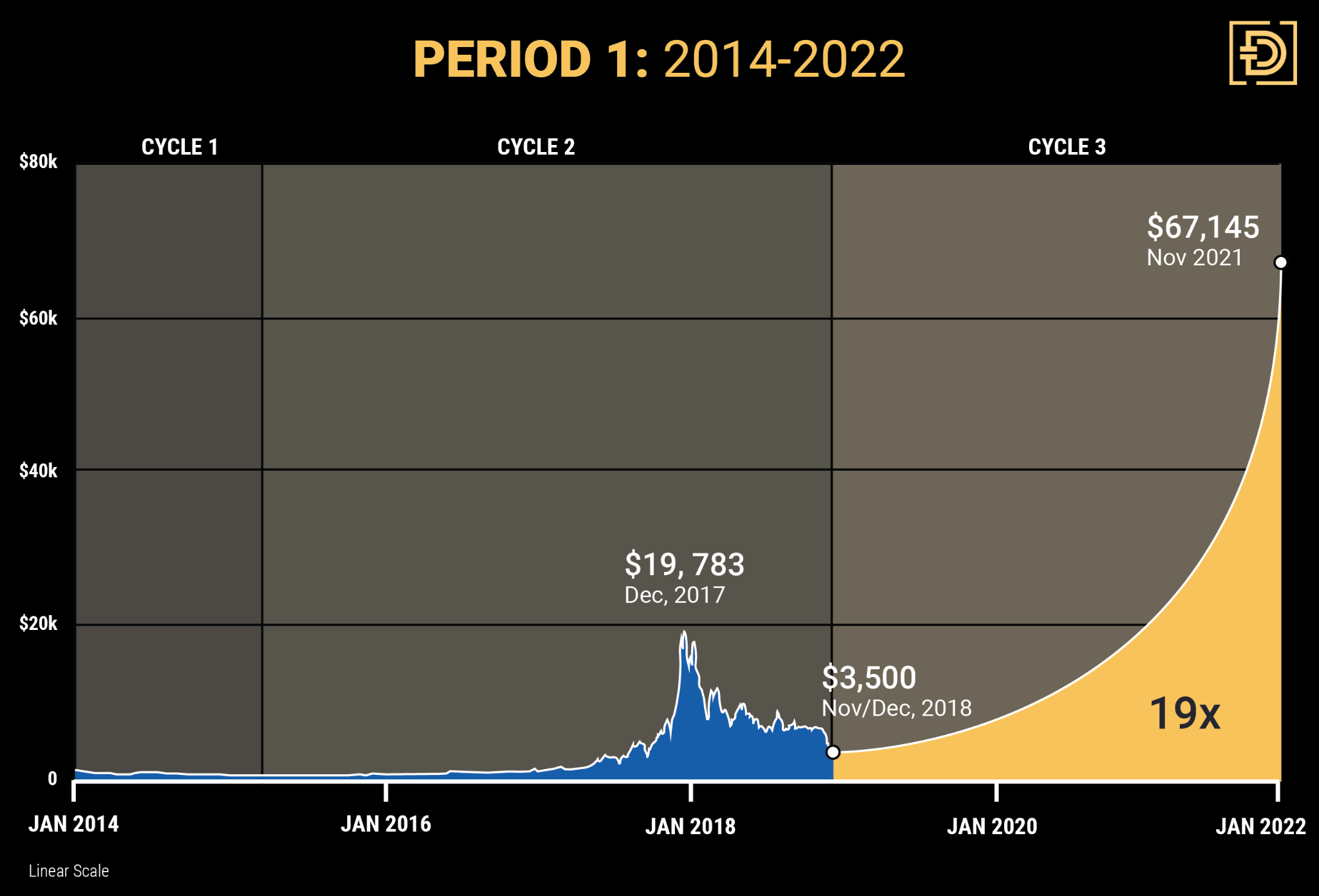
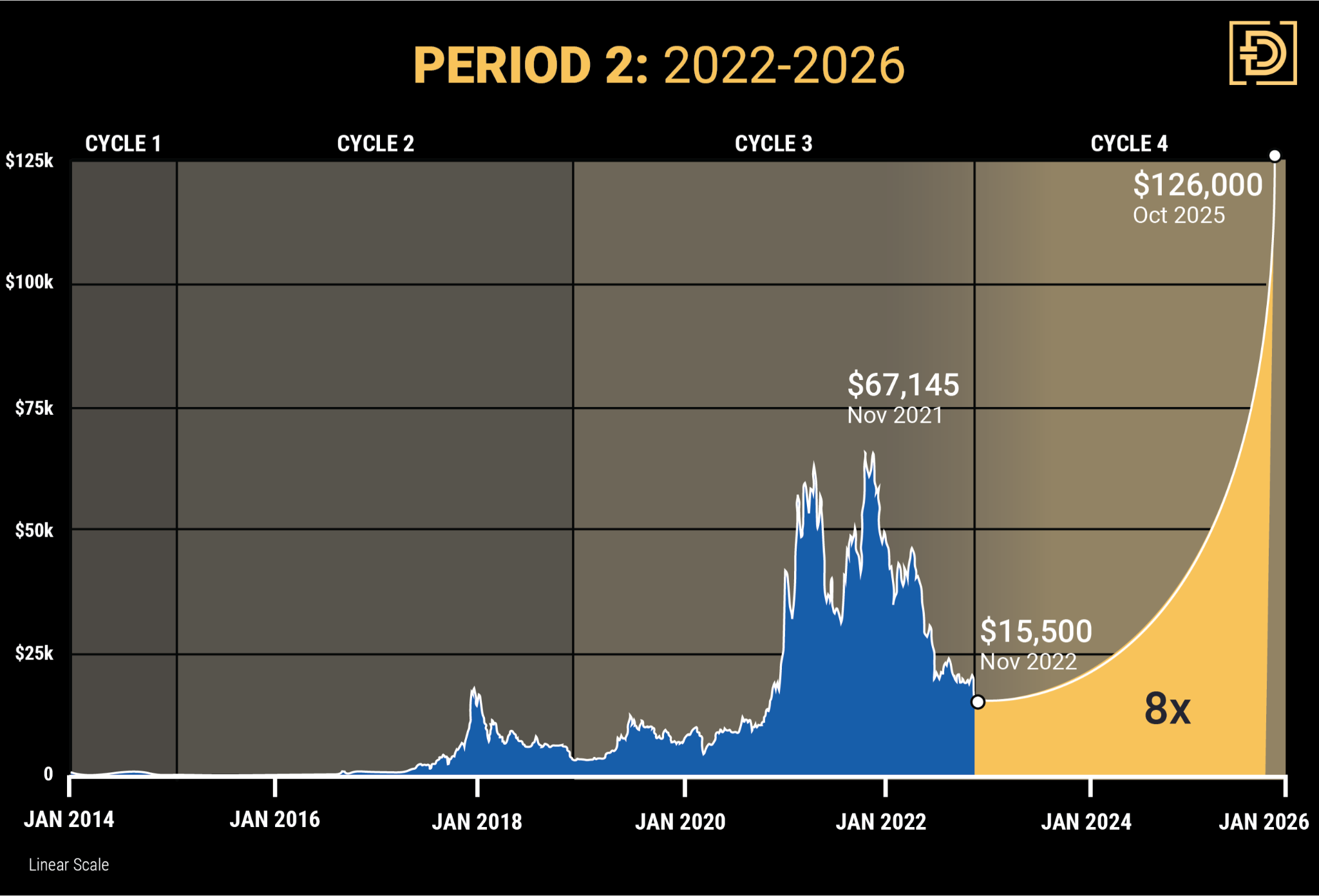
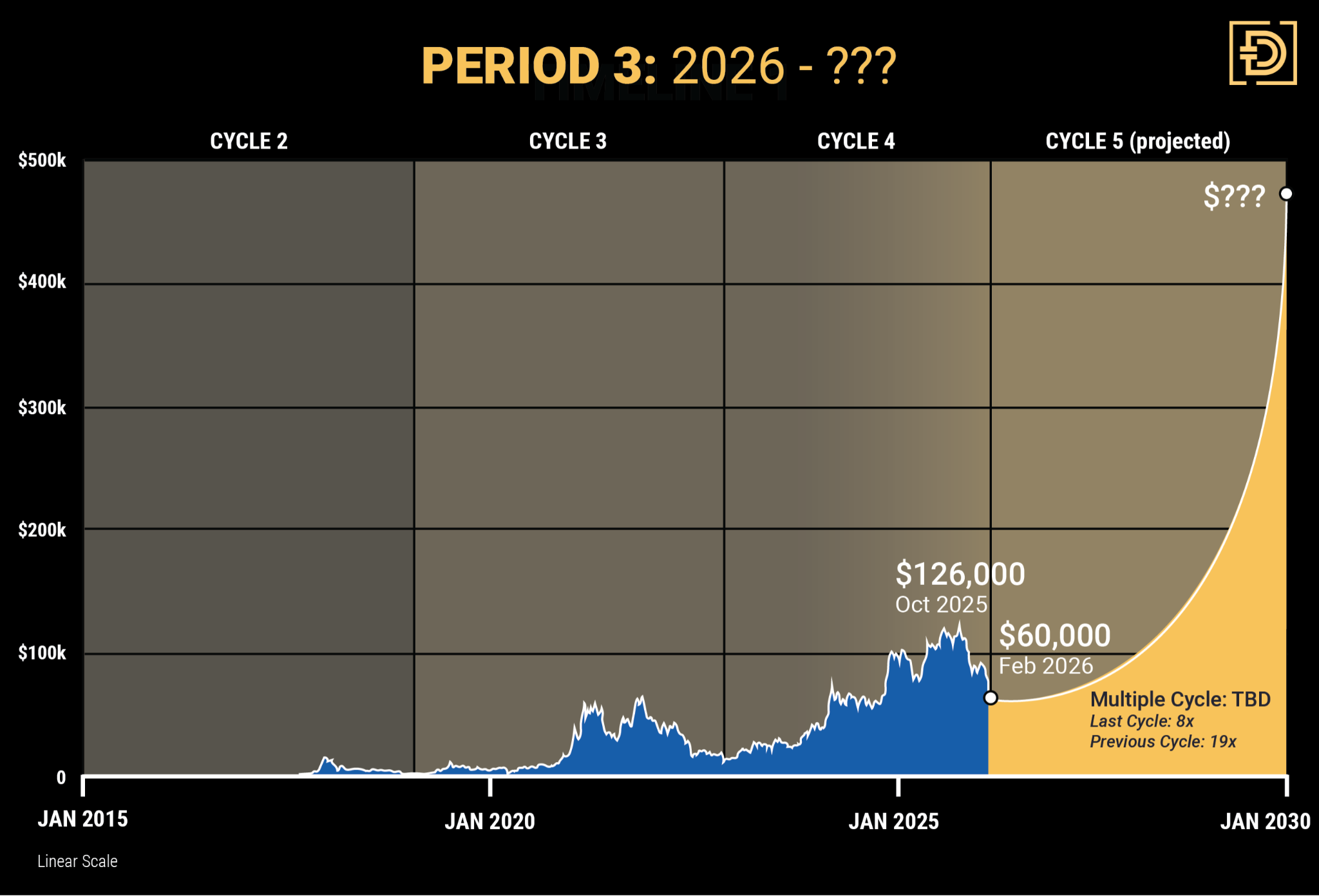
Updated Cycles Chart - Back in 2022, we introduced our cycle framework as a way to help investors view bitcoin through a longer-term lens. The chart was in logarithmic scale and included a price forecast. While many market participants focus on daily headlines and short-term price movements, we believe the more important question is whether the long-term adoption trend remains intact.
Historically, bitcoin has moved in cycles marked by periods of rapid appreciation followed by sharp corrections. Those corrections can feel severe in the moment, often leading investors to question whether the bull market is over or whether bitcoin’s best days are behind it. Yet each cycle has ultimately resulted in bitcoin reaching a significantly higher level than the previous one.
As bitcoin matures, traditional logarithmic charts become less useful for illustrating what this means in dollar terms. Even substantial future gains can appear visually unimpressive on a logarithmic scale. A linear chart, however, highlights what investors actually experience: despite the volatility, each cycle has produced a meaningful multiple on invested capital.
To better illustrate the broader trend, we have smoothed much of the day-to-day volatility and focused on the major cycle movements. While bitcoin’s drawdowns often dominate headlines and investor attention, history shows that each cycle has ultimately reached a significantly higher level than the one before it. The following charts examine the last two completed cycles and then apply the same framework to the current cycle.
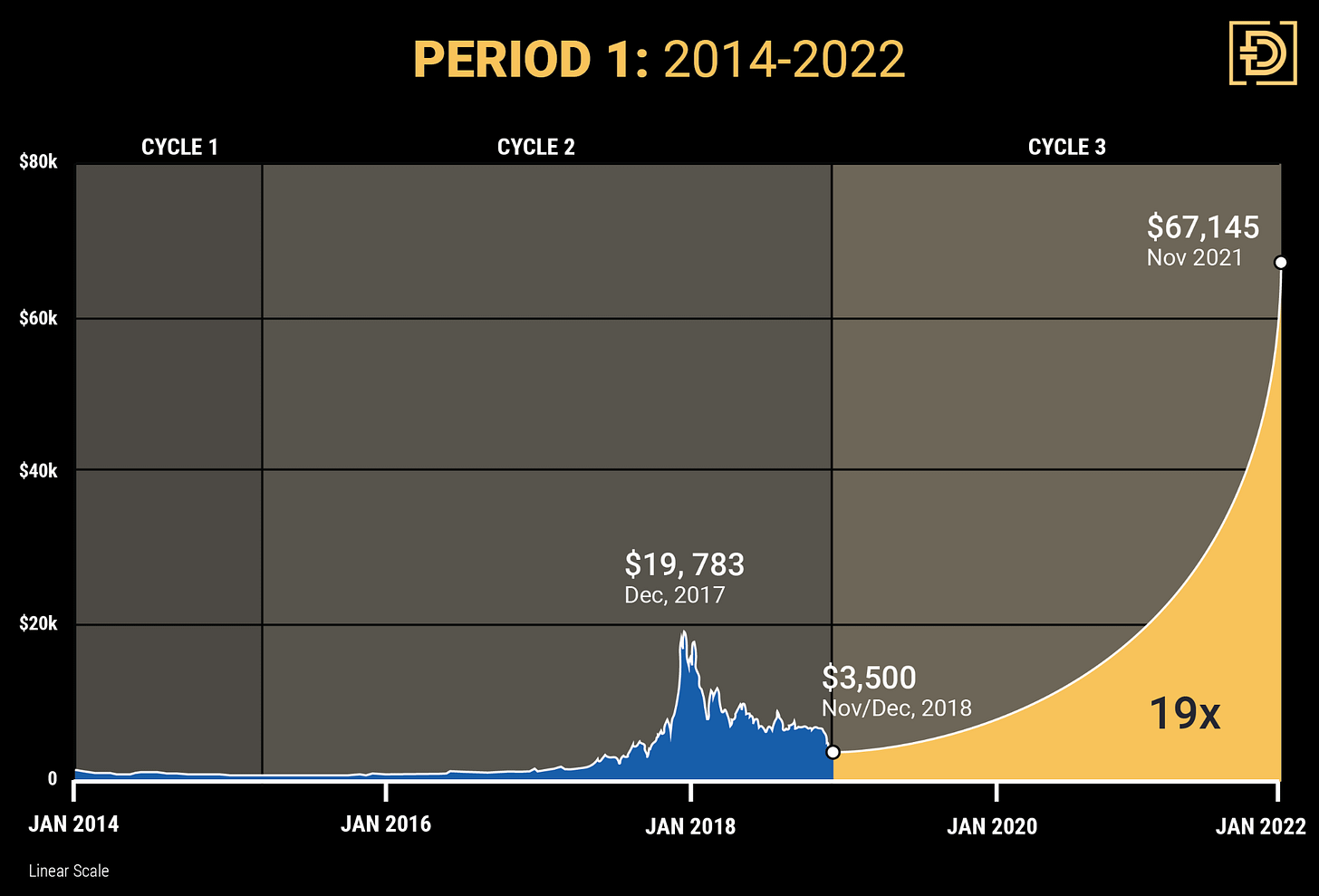
Bitcoin’s first major cycle, as a recognized asset, featured a steep decline that convinced many investors the growth story was over. Yet those who maintained a long-term perspective were rewarded as bitcoin ultimately reached a much higher level.
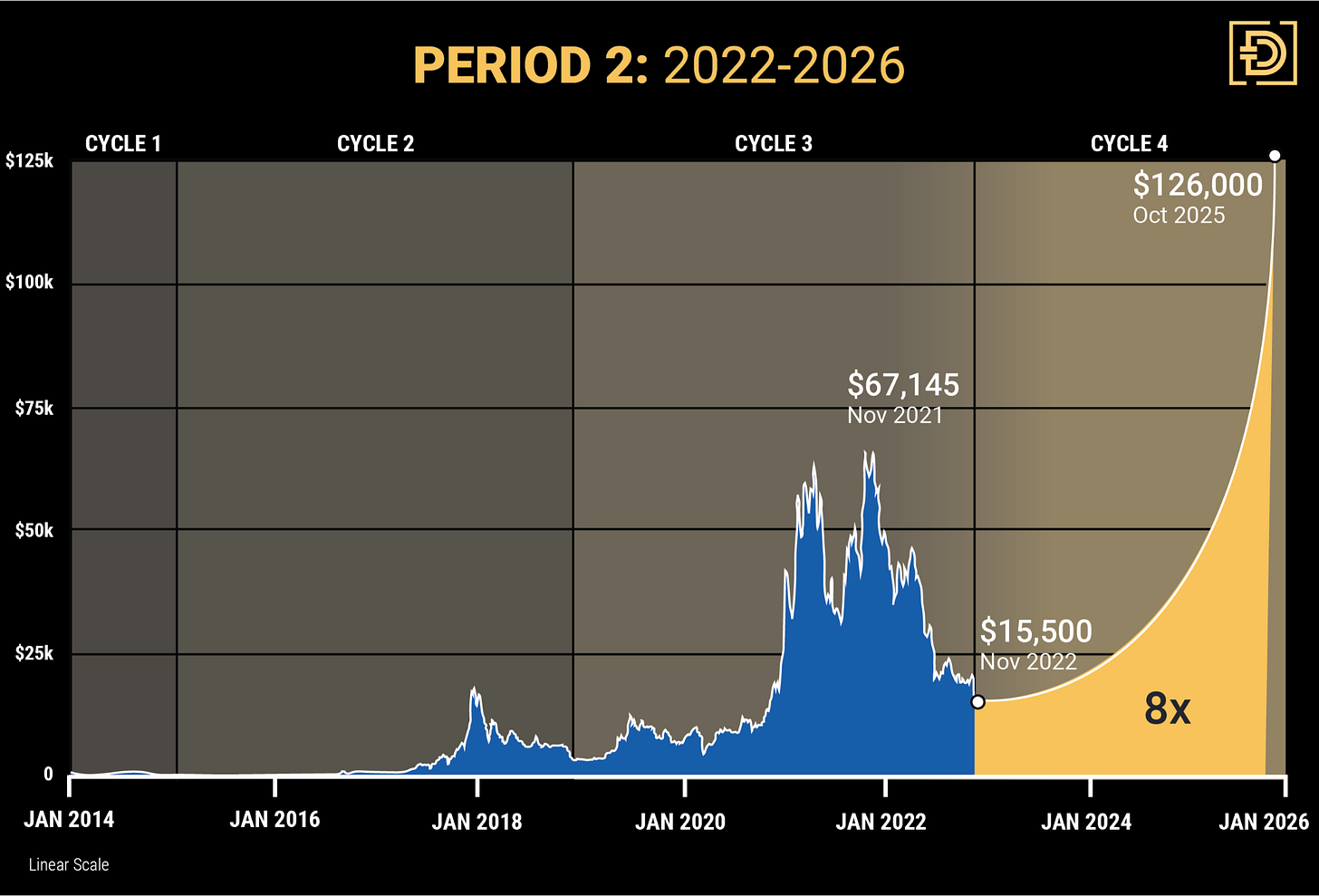
The next cycle followed a remarkably similar pattern. After another major correction and widespread skepticism, bitcoin once again recovered and advanced to a new all-time high. Although the timing and magnitude differed, the overall shape remained familiar: a sharp decline followed by a powerful move higher that generated another meaningful multiple of returns.
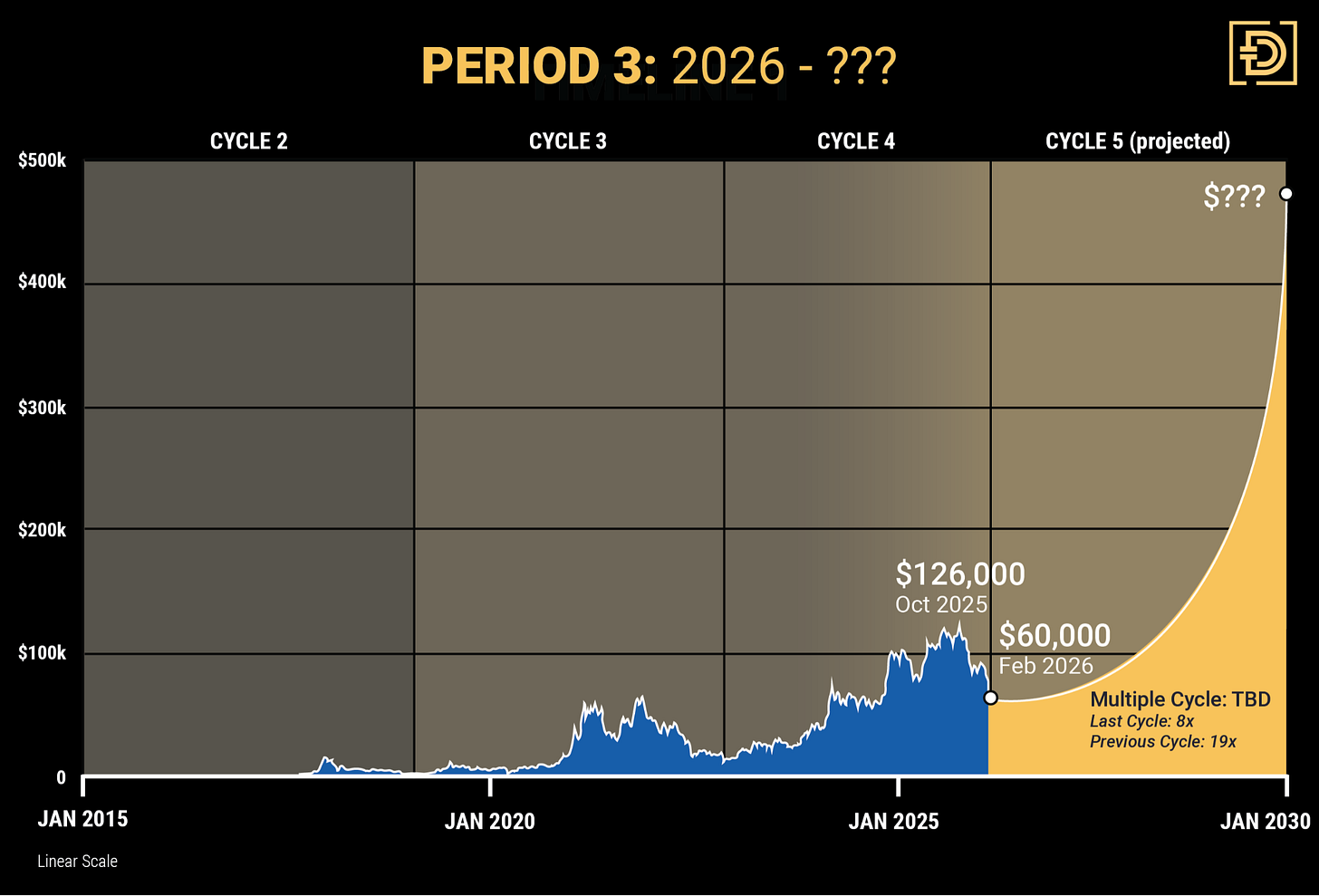
Today, investor sentiment and price behavior resemble points in previous cycles when confidence was low. While no two cycles are identical, history suggests that periods of maximum pessimism have often preceded bitcoin’s most significant advances.
Whether you currently own bitcoin or are still evaluating your first allocation, the most important decision is often not timing the market perfectly but developing a strategy that can be maintained through periods of volatility. If you’d like to discuss how bitcoin may fit into your broader financial plan, we welcome the opportunity to help you evaluate the risks, benefits, and appropriate allocation for your circumstances.
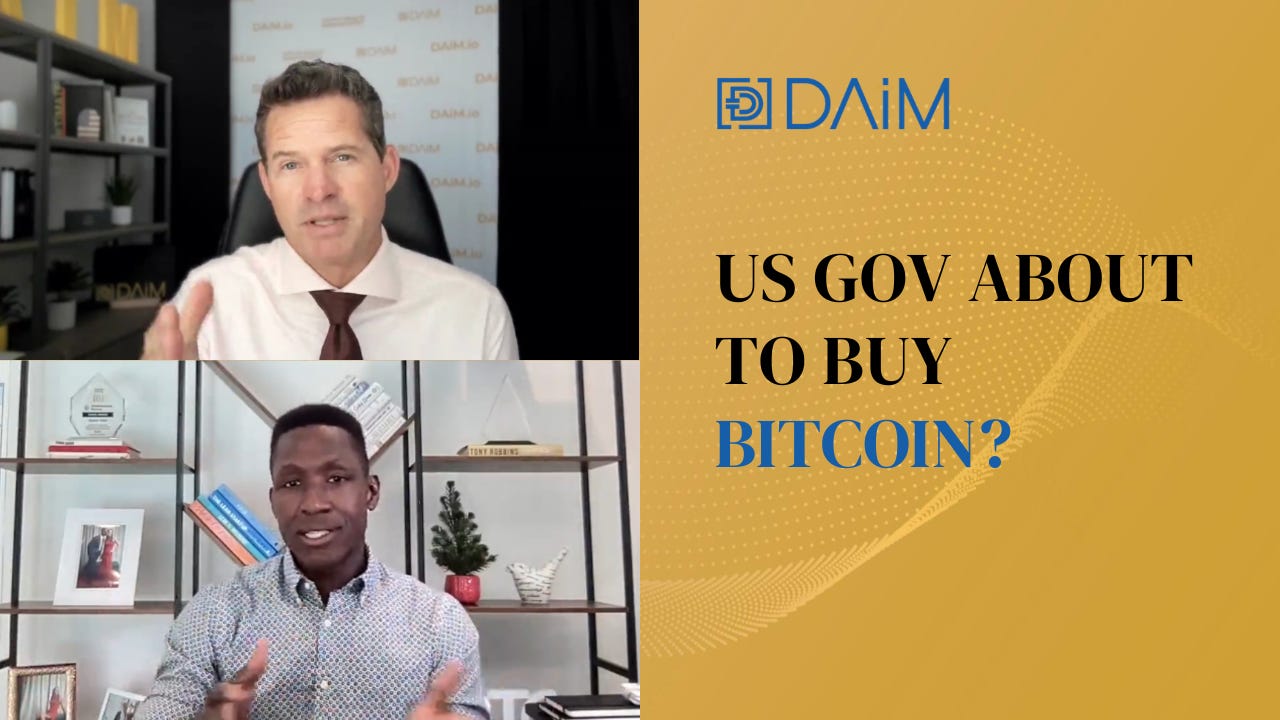
Podcast - Check out our latest episode of Strategically Held.

How DAiM benefits clients
Model Portfolio: Our meticulously managed portfolio has consistently outperformed the simple strategy of buying and holding bitcoin alone by more than 383% since inception on 5/31/2018.
Wealth Management: As a licensed Registered Investment Advisor (RIA), we cater to clients with diverse financial needs, including Trust accounts, brokerage accounts, and IRAs. Our services encompass comprehensive tax strategies and audits to optimize your financial outcomes.
Tailored Solutions for Various Investors:
Individual Professionals: Busy individuals like doctors who lack the time to stay updated on market trends.
Altcoin Exposure in Retirement: Investors seeking exposure to alternative coins within their retirement accounts.
Intergenerational Wealth Planning: Large families aiming to create and manage intergenerational wealth, including gifting in bitcoin across multiple generations.
Simplified Management: Investors overwhelmed by the complexities of managing multiple wallets and decentralized exchanges (DEXes), finding it challenging to track or rebalance their assets promptly.
Bitcoin Options Trading: Investors looking to manage risk or generate additional yield through advanced strategies like bitcoin covered calls and zero-cost collars.
Bitcoin Lending: Investors seeking opportunities to lend their bitcoin and earn interest while retaining ownership of their assets.
Enhanced Support and Communication: We understand the frustrations of navigating communication with crypto exchanges. At DAiM, we provide easy access to expert guidance, ensuring seamless communication for our clients.
Curious to Learn More About Investing with DAiM? Contact us at hq@daim.io